
BEE LAWN SPECIAL | Contact us TODAY about BEE FRIENDLY LAWNS
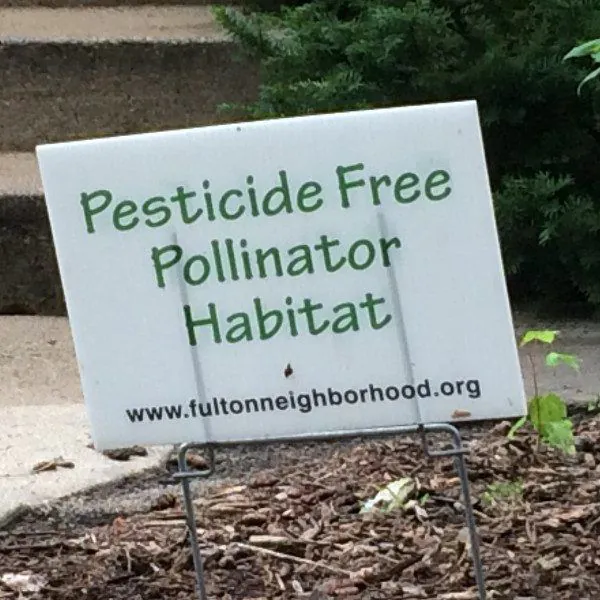
Recent estimates show that the insect populations on earth are crashing. From planting native plants, to managing landscapes without the use of pesticides, everything you do at home has a far-ranging influence.
Pollinators are creating a big buzz in media around the world. Pollinators are facing a perfect storm of intersecting catastrophes including loss of habitat and the ongoing assault on nature being perpetuated by chemical companies. Scientists are discovering that massive amounts of pollinators are currently facing endangerment and extinction.
Simply put, without pollinators we’re going to be pretty hungry. It’s estimated that 35% of the worlds food crops are grown with the help of pollinating insects, birds, and bats.
Without plant pollinations services performed by pollinators we can kiss our apples goodbye. Pumpkins, pears, peaches, peas, and pomegranates are a sampling of the delicious delights we’ll be wishing for if pollinators perish, YIKES.
Find a handful of my favorite plant varieties that protect and provide for pollinators:
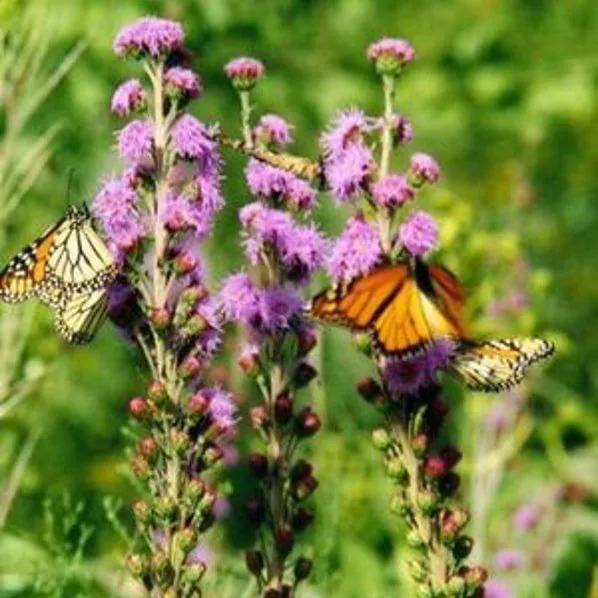
Liatris Ligulistylis is the Latin moniker for this monarch magnet. Monarch butterflies call in early reservations to sip and sup at this fine dining experience.
At 4 + feet tall these purple stocks make bold textural statements in a prairie garden design. I plant them in clumps for extra effect.
There are many kinds of blazingstar to choose from, but if you want to make friends with the monarchs grow the meadow variety.
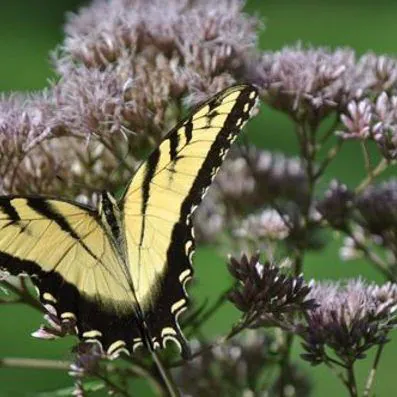
Eutrochium Maculatum is a fancy way to say Joe Pye Weed. At between 6 and 8 feet tall this plant is a towering beauty. Butterflies, bees, and birds all enjoy Joe Pye and stop in the garden to say hi when he’s in bloom.
Supposedly this plant is named for the man who shared it as a medicine which is a good reminder that every plant around us is either food or medicine of some sort for people or wildlife.
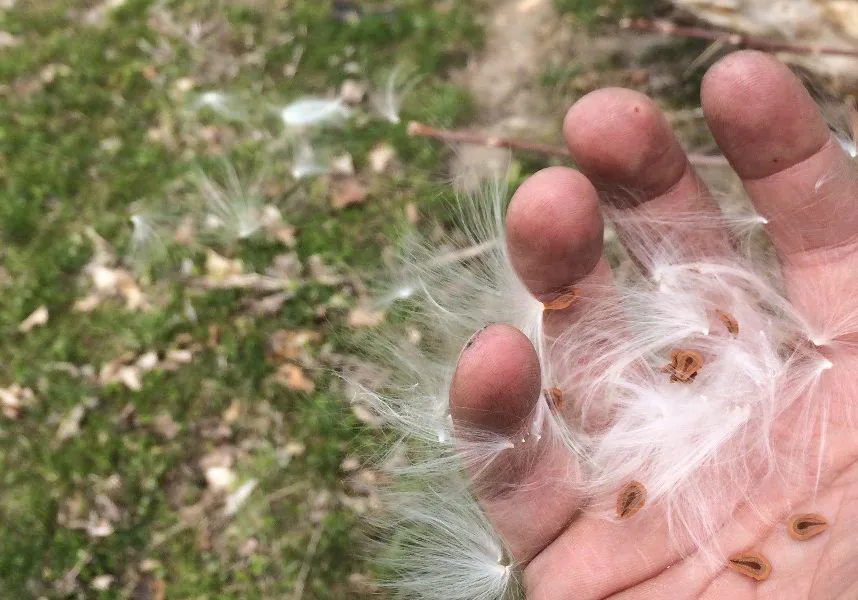
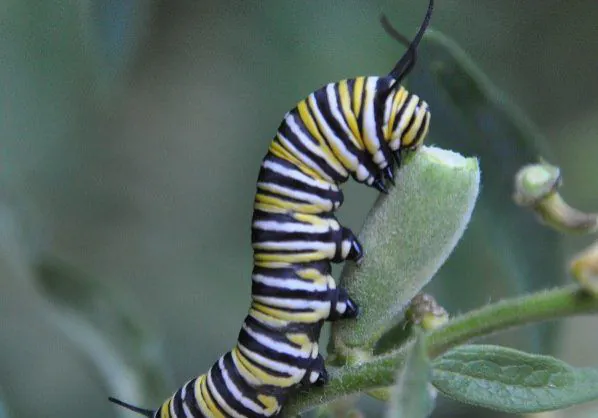
Asclepius, Asclepius, Asclepius. Sounds like something Harry Potter would say to make butterflies magically appear. In fact, these plants do make monarch butterflies magically appear!
As caterpillars, monarchs munch as much milkweed as possible. Milkweed provides monarchs with the strength to transform and migrate from Minnesota to Mexico.
Plant milkweeds of all kinds, my favorite is Asclepius syriaca, common milkweed, because it’s stunning to look at and it brings in the butterflies!
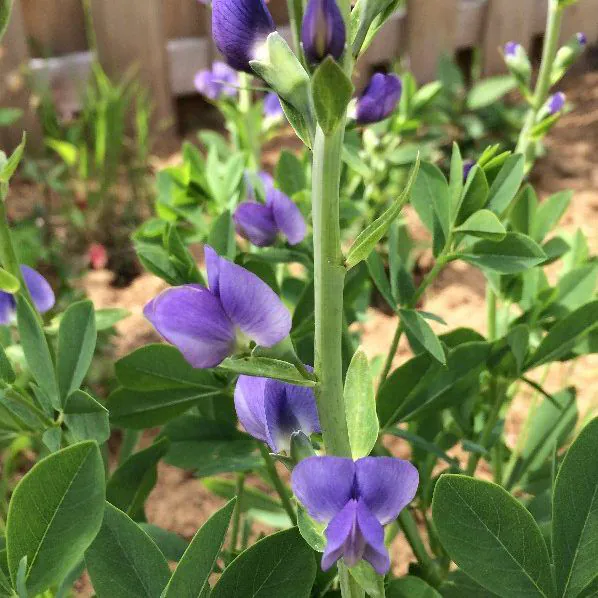
Also known as Baptisia Australis this prairie native fills out with a rare true blue flower each spring.
Yes, bumble bees love it, but so will you when you realize that the 25’ deep roots of indigo will fix nitrogen into the soil. I plant this at the base of all my fruit trees as a friendly companion.
Mix Baptisia into your butterfly garden border to benefit bumble bees and beautify your backyard.
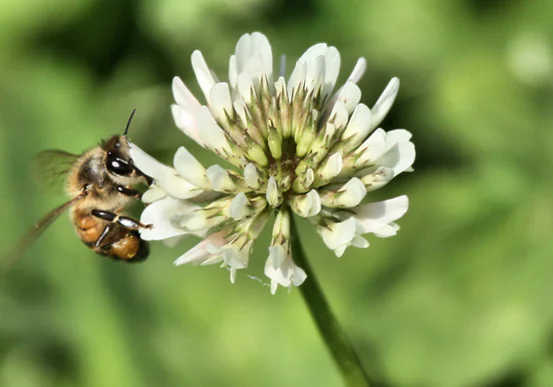
Trifolium repens, white clover is a friend to us all.
Tired of putting down wood mulch every year? Overseed your newly installed veggie and butterfly gardens with white clover to fix nitrogen in the soil and provide an early bloom in the backyard buffet for bees.
Purchase seed to use as a cover crop after any new garden installation and forget about mulching forever.
I spread seeds for white clover in lawns, food gardens, perennial gardens, and under trees and shrubs, basically everywhere.

As the education and advocacy branch, we work with community partners to create safe places for our pollinators, one garden, yard, business, school, church, conversation at a time. We know that together, we can build the buzz!

As the construction branch of Minnehaha Falls Landscaping, we build outdoor decks, steps, railings, pergolas, fences, and planters. When it gets colder, we step inside to remodel living spaces with creativity and craftsmanship, including cabinetry.

As the gardening branch, we work within your landscape to grow plants, flowers, shrubs and woodland gardens that are beautiful, restorative, and safe for birds, people, pets, and pollinators. We also install bee-friendly lawns and do spring and fall clean-up.
"*" indicates required fields
Call us at 612-724-5454 to see what is possible with landscape design and construction, organic gardening, and indoor remodeling.