Landscaping projects usually start with ideas. A new patio. A bigger garden. Maybe a retaining wall or fresh planting beds. But before design choices or materials ever enter the conversation, there’s something more important to understand first: how your property actually works. At Minnehaha Falls Landscaping, we’ve learned that the success of any landscape begins below the surface. Water movement, soil conditions, slope, and long-term maintenance all influence whether a project performs well or slowly turns into a repair job. Taking a little time to plan correctly at the beginning often prevents years of frustration later. Below are the steps we encourage every homeowner to take before starting any yard project.
Step One: Understand How Water Moves Across Your Property
Before thinking about patios, gardens, or walkways, look at how water behaves on your lot.
- Where does runoff collect after heavy rain?
- Do certain areas stay soggy longer than others?
- Does water move toward or away from the house?
These patterns matter more than most homeowners realize. Hard surfaces and grading changes can redirect water in ways that cause pooling, erosion, or foundation issues if they aren’t planned properly.
Building science guidance from the U.S. Department of Energy notes that exterior hardscape surfaces should slope away from structures to prevent water intrusion and long-term damage. That simple principle shapes nearly every outdoor project we design. When water isn’t addressed first, everything else becomes a temporary fix. Starting with drainage sets the foundation for everything that follows.
Step Two: Evaluate Soil and Site Conditions Before Designing
Not all soil behaves the same way. Some areas drain quickly, while others hold water for days. Clay soils compact easily. Sandy soils shift. Organic soils settle over time.
These differences affect:
- How patios and walkways perform
- How retaining walls hold pressure
- How plants establish roots
- How much maintenance will you face long-term
Designing without understanding soil conditions is essentially guesswork. A beautiful plan on paper can fail quickly if the ground beneath it isn’t prepared properly. That’s why we evaluate soil health and structure early. Healthy soil supports stronger plants and more stable construction, which ultimately means fewer repairs and less upkeep.
Step Three: Match the Project Size to the Right Level of Expertise
Not every yard project requires the same type of help. Simple planting updates or seasonal maintenance may only require a gardener. But once projects involve grading, hardscape, or water management, the risks increase, and so does the need for professional planning.
Projects that typically benefit from a landscaping professional include:
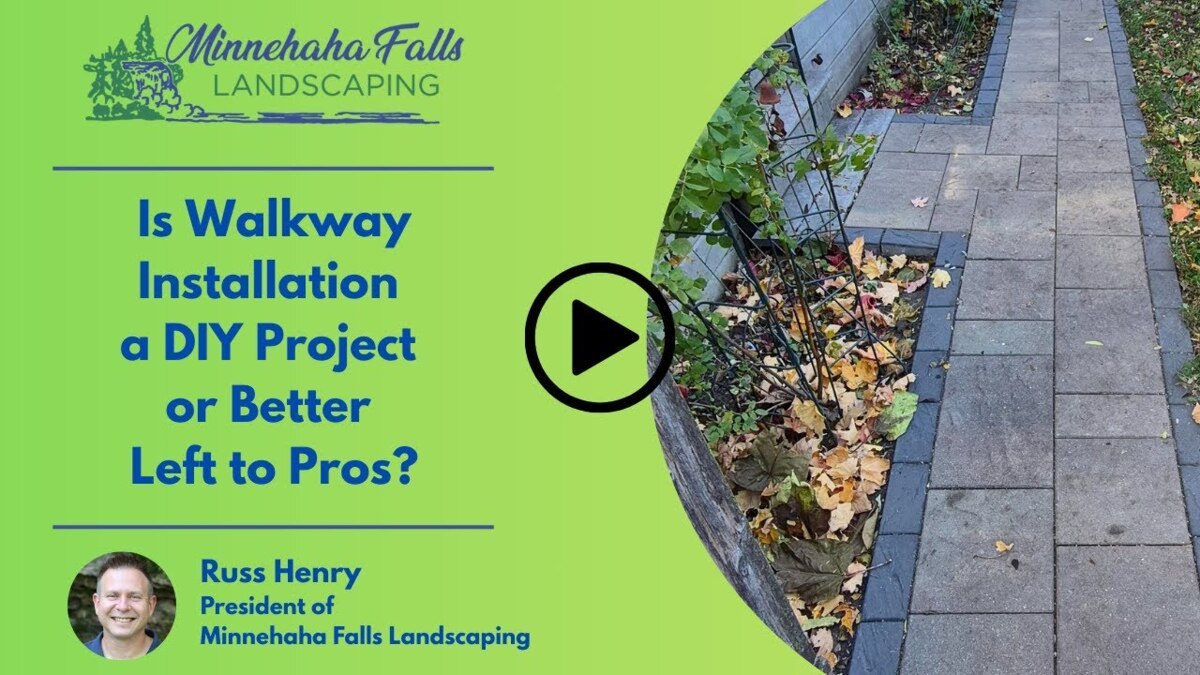
- Patios and walkways
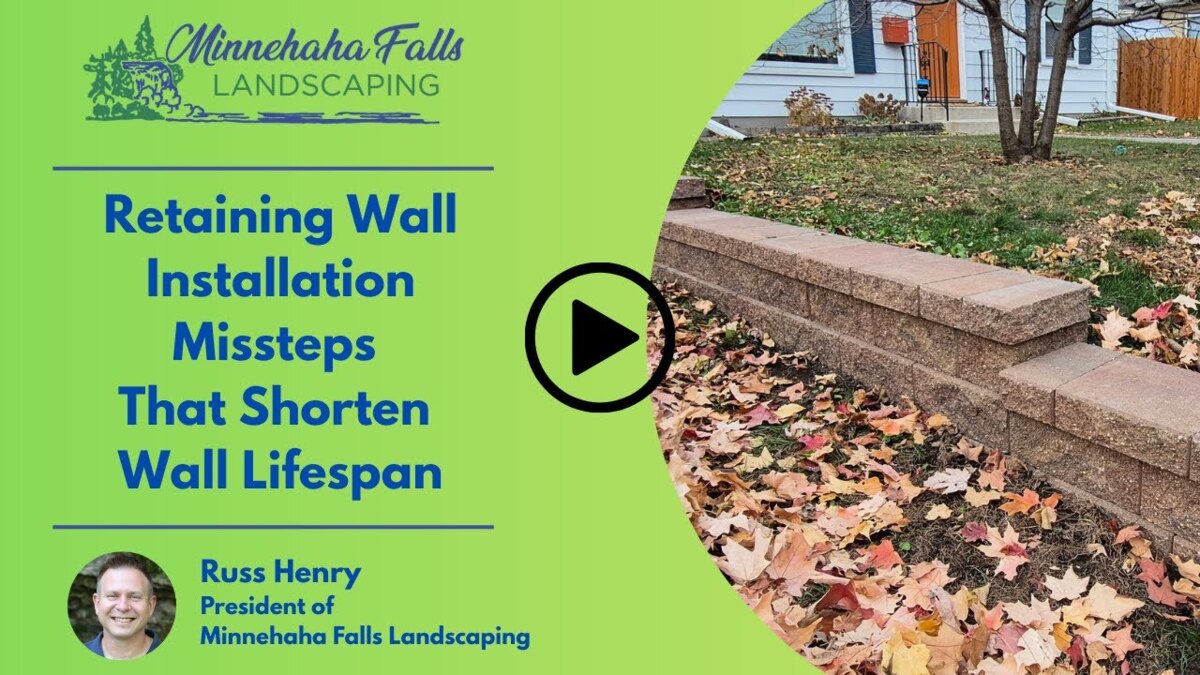
- Retaining walls
- Decks and fences
- Drainage corrections
- Rain gardens or large planting areas
- Any feature that changes elevation or water flow
These improvements affect the entire property, not just one spot. When structural or drainage decisions are involved, experience makes a measurable difference.
Step Four: Plan the Whole Property—Not Just One Feature
A common mistake we see is designing one element in isolation. A patio might look perfect on its own, but if it redirects water toward the house, it creates new problems. A retaining wall might hold soil back, but without proper drainage, it can lean or fail. A garden bed might thrive at first, but become high maintenance if sun exposure or soil isn’t considered.
Landscapes function as connected systems. Changing one area affects everything around it. Stepping back and looking at the entire property, how you use it, how it drains, and how it will age, helps ensure every decision supports the bigger picture.
Common Planning Steps Homeowners Skip (and Regret Later)
Many issues we’re called to fix stem from rushing into installation too quickly.
- Skipping grading checks.
- Choosing materials before understanding site conditions.
- Building first and planning later.
The University of Minnesota Extension advises managing stormwater through solutions like rain gardens and mindful drainage design to minimize runoff. These measures are most effective when included in the planning stage, as skipping steps can lead to costly repairs later.
How We Approach Planning at Minnehaha Falls Landscaping
Our approach is straightforward and consistent. We plan first, design second, and build last. We focus on:
- Evaluating drainage and water flow
- Understanding soil conditions
- Considering how you use the space day to day
- Designing for durability and low maintenance
- Coordinating installation so everything works together
By taking this sequence seriously, we help homeowners avoid surprises and invest confidently in landscape improvements that last. Landscaping isn’t just about how something looks on installation day. It’s about how it performs five, ten, or twenty years later.
Planning a Yard Project? Start With a Clear, Informed Plan
Before you break ground, take the time to understand your property’s water, soil, and long-term needs. The right planning early on protects your time, your budget, and the performance of your landscape. If you’re considering a project and want guidance on how to approach it thoughtfully, contact Minnehaha Falls Landscaping today. We’re always happy to talk through your goals and help you decide the right next step.