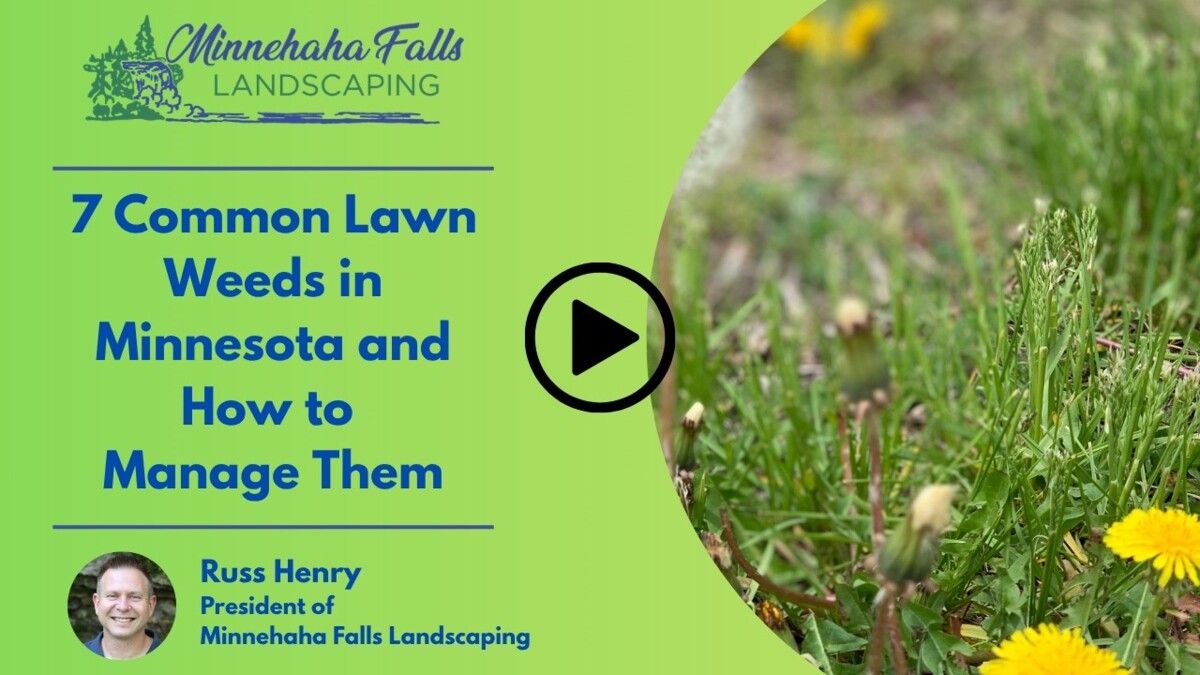
Dandelions are one of the first lawn plants many Minnesota homeowners notice in spring. They seem to appear almost overnight, turning green turf into a field of yellow flowers before the rest of the yard feels fully awake.
Seeing dandelions in your MN lawn does not have to mean immediate panic or total removal. Dandelions can support early-season pollinators, but they can also compete with turf when they spread heavily. A better approach is deciding where they fit, where they do not, and how to manage them without working against the larger health of the yard.
Why Do Dandelions Show Up So Quickly in Spring?
Dandelions return quickly because they are persistent, naturalized plants with deep taproots and an early growing habit. Once established, they can come back before many lawns have fully thickened for the season.
Their timing is part of what makes them so visible. Grass may still be recovering from winter, but dandelions can already be flowering, setting seed, and taking advantage of open spaces in the turf.
Are Dandelions in Your MN Lawn Bad or Beneficial?
Dandelions can be both unwanted and useful, depending on the lawn’s goal. In a traditional front lawn, homeowners may see them as a broadleaf weed that interrupts a clean turf look. In a pollinator lawn or lower-input yard, some dandelions may be more acceptable.
We often see homeowners want every dandelion gone in the front yard, but feel differently about a side yard, boulevard, or bee lawn area. The right plan depends on how the space is used and what the homeowner wants the lawn to support.
Pollinators Can Use Early Flowers
Early spring flowers can be useful for bees and other pollinators when few other blooms are available. Dandelions are not the only source of early forage, but they can be part of the seasonal food picture.
A pollinator-friendly lawn does not need to become unmanaged. It should still be planned around mowing, turf health, flowering plants, and the homeowner’s comfort with how the yard looks.
Lawn Goals Still Matter
A few dandelions in spring are different from a lawn where broadleaf weeds are taking over. If dandelions are crowding out grass, spreading across high-visibility areas, or making the lawn harder to maintain, selective management may make sense.
Homeowners do not have to choose between removing every flower and ignoring the lawn completely. Zoning can help create a cleaner turf area in one part of the yard and a more pollinator-friendly area somewhere else.
What Does No Mow May Mean for Minnesota Lawns?
No Mow May is a simple idea: delay mowing in spring so early flowers have time to bloom and support pollinators. U of MN Extension research on bee lawns notes that flowering lawn species can support early-season pollinators when planned intentionally. For some yards, this can be a useful way to give spring flowers more time before the mowing season begins.
Local conditions still matter. Grass height, lawn thickness, neighborhood expectations, weed pressure, and how the turf will recover afterward should all shape the decision. No Mow May works best when homeowners treat it as a thoughtful timing choice, not an excuse to stop managing the lawn altogether.
How Can You Manage Dandelions the Pollinator-Friendly Way?
Pollinator-friendly dandelion management is not all or nothing. Some homeowners may want a cleaner front lawn, a looser side yard, and a planned flowering area that supports bees without letting the entire property feel unmanaged.
Practical options include:
- Leave some dandelions in low-traffic areas: Side yards, boulevards, or less formal lawn zones may be better places to tolerate spring flowers.
- Mow after early bloom where appropriate: Timing a first mow after some flowering can support pollinators while still keeping turf from getting overly tall.
- Use selective control in formal turf areas: A cleaner lawn near the home or street may call for targeted broadleaf management.
- Build thicker turf: Dense grass leaves less open space for dandelions to establish.
- Plan pollinator lawn zones intentionally: A flowering lawn approach can include species such as clover, self-heal, or creeping thyme instead of relying only on volunteer dandelions.
Selective dandelion management can also be part of the plan. Where broadleaf weeds are overwhelming the turf, iron-based broadleaf care can help reduce pressure without turning the whole lawn into a blanket-treatment project.
How Does Lawn Care Timing Affect Dandelions and Grass?
Mowing timing affects both dandelion flowers and grass health. Cutting too early may remove flowers before pollinators can use them, but waiting too long can stress turf if the grass gets tall and then is cut back hard.
A balanced spring routine considers mowing height, soil temperature, turf density, fertility, and how quickly the lawn is growing. Our seasonal lawn guidance can help homeowners manage grass health while still making room for pollinator-friendly decisions where they fit.
How Does Minnehaha Falls Landscaping Balance Weed Control and Pollinator Support?
We do not treat spring dandelions as an all-or-nothing decision. A yard can have a more traditional turf area, a bee lawn section, and a few low-traffic spaces where early flowers are tolerated for part of the season.
A balanced plan may separate:
- Front-yard turf where a cleaner look matters
- Side or back areas where some flowers can stay temporarily
- Bee lawn zones with intentional flowering species
- Dandelions that are acceptable in spring but managed later
- Areas where broadleaf pressure needs selective control
We help homeowners make those decisions without turning pollinator support into neglect or weed control into overcorrection. The goal is a lawn that fits the home, supports the yard’s ecology where possible, and still feels cared for.
Balance a Cleaner Lawn With Pollinator-Friendly Choices
Spring dandelions do not have to force a single answer for the whole yard. Some can stay, some can be managed, and some areas may be better redesigned as planned pollinator lawn space.
Minnehaha Falls Landscaping has offered 100% organic, pesticide-free lawn care across the Twin Cities since 1957, working through Bloomington, Eagan, Edina, Golden Valley, Minneapolis, Roseville, St. Louis Park, and St. Paul. Reach out to Minnehaha Falls Landscaping if you want help managing dandelions in your MN lawn, planning a bee lawn area, timing spring mowing, or choosing selective weed control that fits your yard goals. We can help you create a lawn plan that feels intentional instead of reactive.