A weedy lawn can mean a lot of different things. It might be thin turf full of crabgrass, a few dandelions in spring, clover in a bee lawn, or Creeping Charlie spreading through a shaded corner. Each of those calls for a different response, not one blanket fix. Some plants are aggressive and need firm management. Others may be symptoms of soil or turf conditions. A few may even support a more ecological yard if they fit the homeowner’s goals.
Why Do Lawn Weeds Keep Showing Up in Minnesota Yards?
Lawn weeds usually show up where the grass is too thin to compete. Bare soil, compacted ground, low fertility, mowing stress, shade, and open turf all create space for plants other than grass.
We often see homeowners focus on killing the visible weeds while missing the conditions that allowed them to grow. A stronger plan looks at the weed, the soil, the turf density, and the homeowner’s goal for that part of the yard.
Which Common Lawn Weeds Should Homeowners Recognize?
The right response depends on the plant. These seven common weeds and debated lawn plants show why weed control is not always a one-size-fits-all decision.
1. Crabgrass
Crabgrass is an annual grassy weed that often moves into thin, stressed, or bare turf. It can spread quickly in hot weather and make a lawn look uneven by late summer. The best approach is usually prevention and restoration. Dense turf, proper mowing, and fewer bare spots leave crabgrass far less room to establish.
2. Quackgrass
Quackgrass is a more stubborn perennial grass that spreads through underground rhizomes. Because those rhizomes run underground, pulling usually snaps off fragments that regrow. This weed usually needs a more intentional plan. In heavily invaded areas, restoration may make more sense than repeated surface-level control.
3. Canada Thistle
Canada thistle is not optional. Minnesota lists it as a Prohibited Noxious Weed on the Control list, so landowners are required to stop it from setting seed, and counties can enforce that. Root fragments a few millimeters long grow new plants, and the seed stays viable for up to 20 years, which is why one pass never finishes it, and pulling usually makes it worse.
4. Dandelion
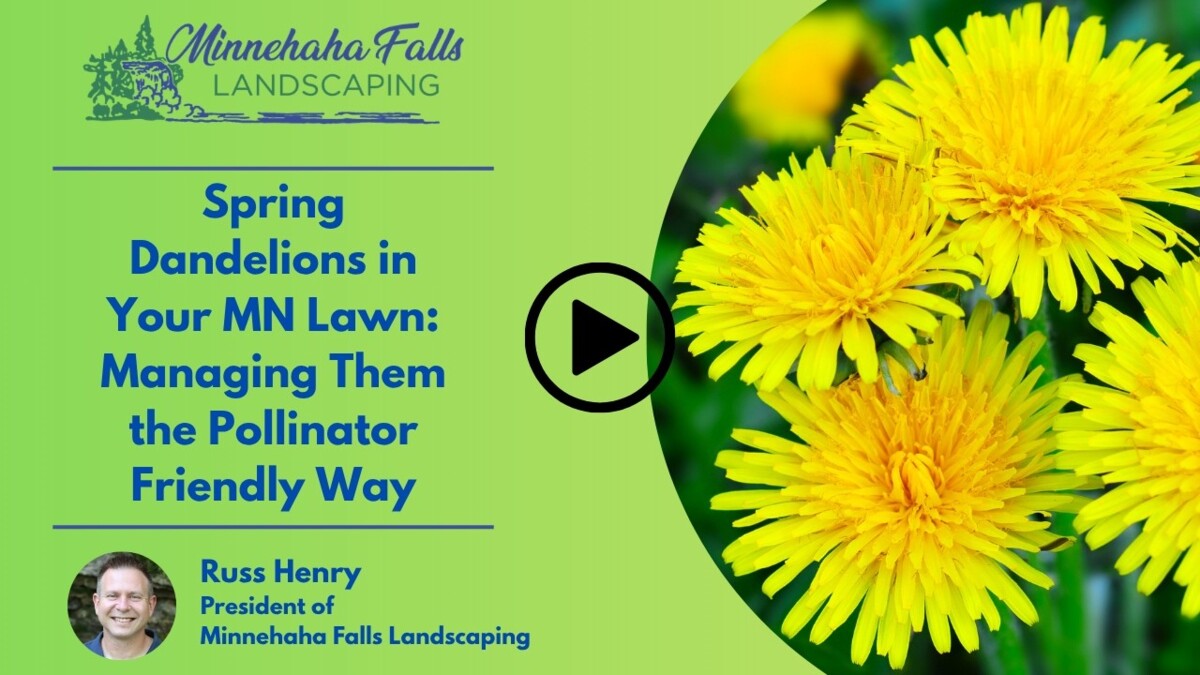
Dandelions are one of the most recognizable lawn weeds in Minnesota. They stand out in spring, especially in lawns where homeowners prefer a traditional turf look. A few dandelions may not bother every homeowner. Where they are unwanted, a targeted approach works better when paired with thicker turf and fewer open spaces.
5. White Clover
White clover is often called a weed in traditional lawns, but is deliberately planted in bee lawns. It flowers, feeds pollinators, and stays green where turf gives up. University of Minnesota researchers have spent years specifically on bee lawns, and clover is central to most of that work. Same plant, opposite intent, and the deciding factor is what you want that part of the yard to do.
6. Creeping Charlie
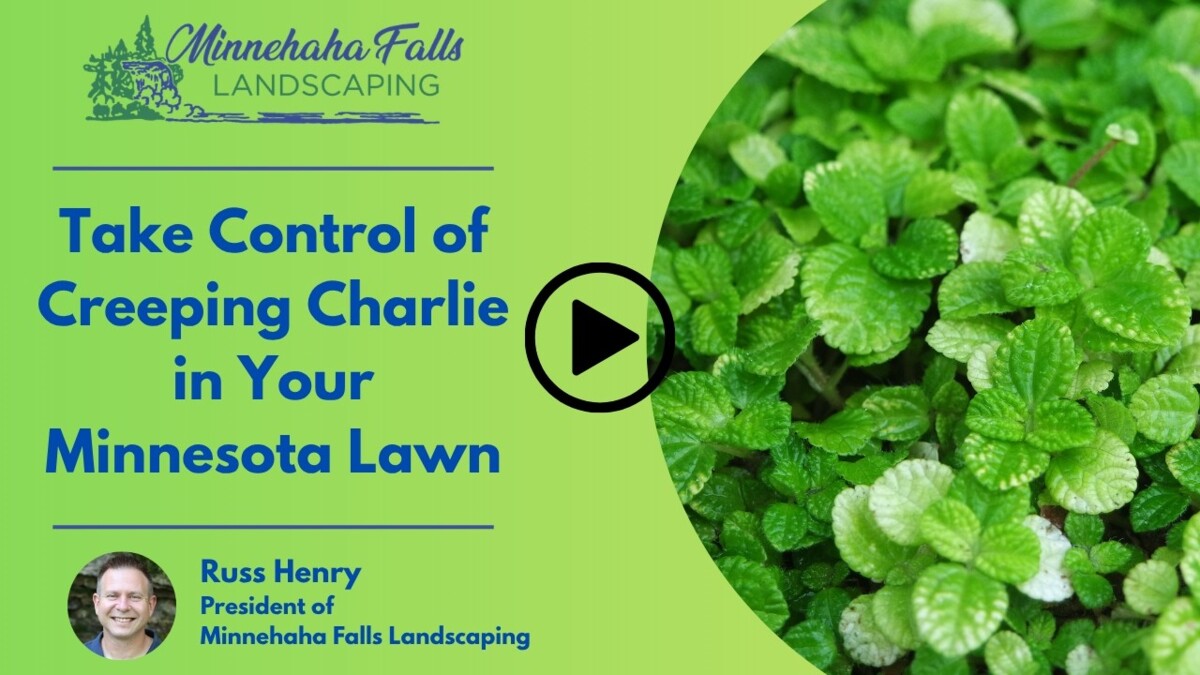
Creeping Charlie is a spreading groundcover that takes hold in shaded, moist, or thin turf and resists easy removal once established. Rather than fight the same patch each season, decide whether that spot needs to be grass at all. In low-traffic corners, accepting it or redesigning the area is often the more realistic call.
7. Plantain
Plantain thrives where a lawn is under stress. Its presence is a clue: the soil is compacted, foot traffic is heavy, or the grass is too weak to fill the space. Managing plantain may involve more than pulling leaves. Soil improvement, aeration, mowing changes, and overseeding can help address the conditions behind the weed pressure.
Which Weeds Should Be Removed, Managed, or Reconsidered?
A balanced plan starts by sorting the plants. Aggressive spreaders like quackgrass and thistle need firm management, particularly where they run into beds and borders. Thin turf invites all of them, which is also where lawn disease tends to start.
Some plants need more context. Dandelions and plantain may be unwanted in lawns, while clover might be suitable for bee lawns. Creeping Charlie can be a target for removal in one yard and an accepted groundcover in another. A practical decision framework looks like this:
- Remove or strongly manage aggressive spreaders that overtake turf or beds.
- Reduce visible broadleaf weeds where the homeowner wants a cleaner traditional lawn.
- Reconsider clover or low-growing plants where pollinator value or lower-input care matters.
- Restore the lawn when weeds are winning simply because the turf is too sparse to hold ground.
This approach avoids treating every plant as the same problem. It also gives homeowners more control over what kind of yard they actually want.
How Does Organic Weed Management Work?
Organic weed management works best when selective control and lawn restoration happen together. A treatment can reduce certain weeds, but thicker turf and healthier soil help reduce the open spaces where weeds return.
Chelated iron can be used as a targeted iron-based weed treatment for certain broadleaf weeds. It is not the answer for every plant, especially aggressive grasses like quackgrass, but it can be part of a careful plan for lawns where broadleaf pressure is the main issue.
Soil restoration matters more than most treatments. Stronger turf starts with better growing conditions: organic fertility, aeration, overseeding, and living soil support. The distinction is between feeding the soil and feeding the grass, and only one of them lasts.
When Does a Weedy Lawn Need Restoration Instead of Spot Control?
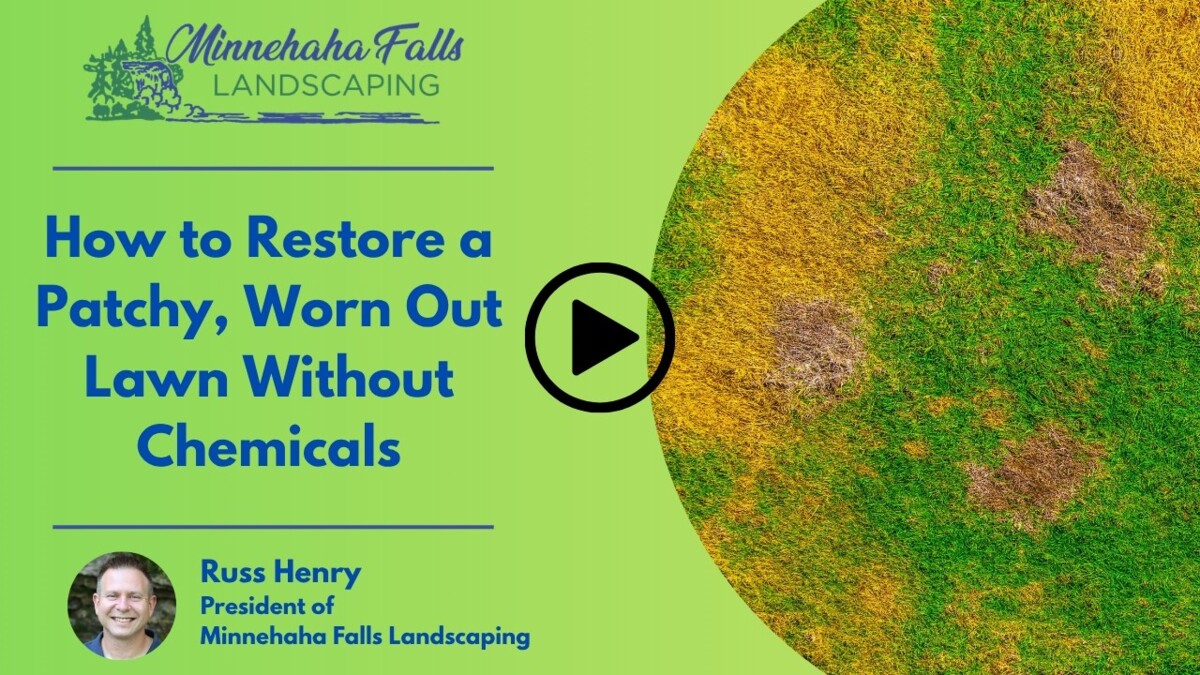
A heavily weeded lawn often needs restoration, not just repeated spot treatment. If weeds cover large areas, the grass may be too thin, stressed, or fragmented to recover from control alone.
Restoration is slower, and it holds. Reduce weed pressure, improve the soil, overseed, and change the maintenance routine so the turf can close the gaps itself. This is where weed and feed products fall short: spot control removes plants, but it cannot rebuild a lawn that no longer has enough grass to compete.
How Does Minnehaha Falls Landscaping Take a Balanced View of Weeds?
We start by asking whether the plant is causing a problem, solving a problem, or simply showing us what the lawn is missing. A weed in a formal front lawn may call for a different answer than the same plant in a bee lawn, side yard, or low-input area.
From there, we consider:
- How aggressively the weed spreads
- Whether the homeowner wants traditional turf, bee lawn elements, or a lower-input yard
- Whether the lawn is thin because of soil, shade, mowing, or compaction
- Whether selective treatment or full restoration makes more sense
- How nearby beds, borders, or paths affect weed pressure
Our read on each lawn is case by case. Sometimes the answer is removal, sometimes restoration, and sometimes more ecological yard choices that let certain plants play a role instead of treating every non-grass plant as a mistake.
Not Every Weed Needs the Same Answer
A lawn full of weeds does not always need a single blanket fix. It needs a clearer decision about which plants are truly problematic, which conditions are helping them spread, and what kind of lawn or outdoor space the homeowner wants.
Contact Minnehaha Falls Landscaping if you want help identifying lawn weeds, choosing selective weed management, restoring a heavily weedy lawn, or rethinking parts of your yard with a more balanced approach. We can help you decide what belongs, what needs to go, and what your lawn needs next.