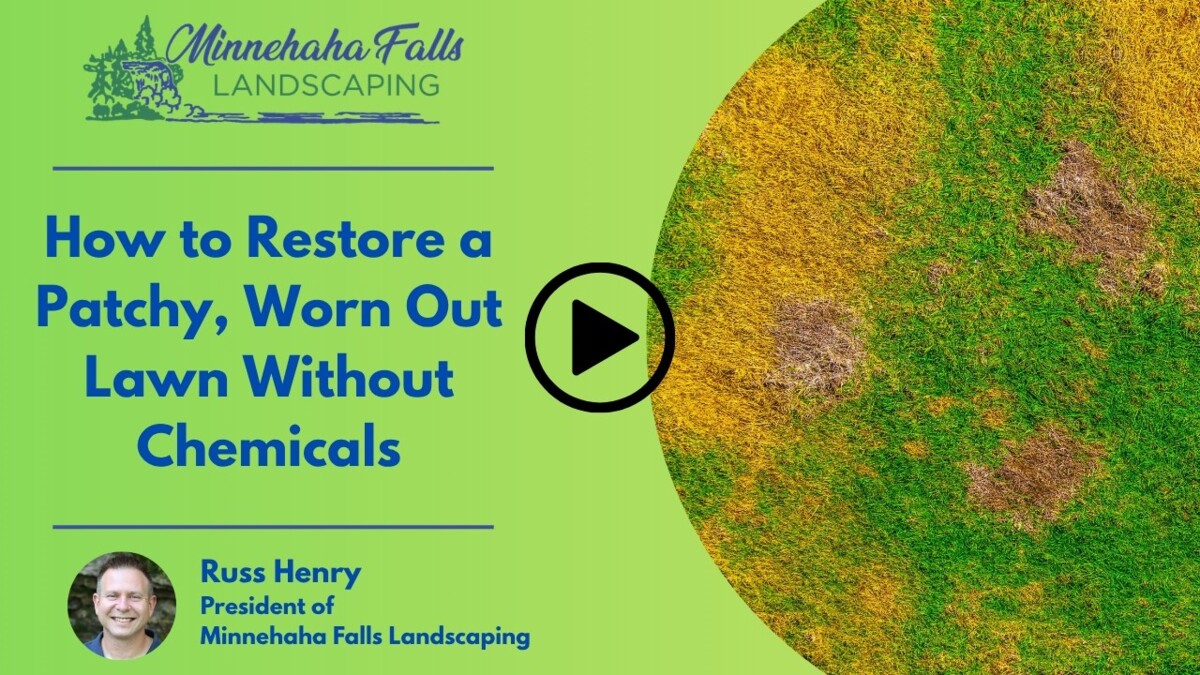
Strange spots in the lawn can be hard to read. A patch may look dry, diseased, compacted, or damaged by pests, and choosing the wrong fix can waste time while the turf keeps weakening.
Lawn diseases are part of the picture for many Minnesota yards, but they should be understood in context. Weather, moisture, mowing habits, soil biology, airflow, and turf density all affect whether disease pressure becomes a recurring problem.
What Are the Most Common Lawn Diseases in Minnesota?
Common turf diseases in Minnesota lawns include snow mold, dollar spot, red thread, necrotic ring spot, and powdery mildew. University of Minnesota Extension on yard and garden problems makes a point worth repeating: these diseases look alike, identifying a patch disease from a distance is nearly impossible, and general lawn health is the most reliable way to manage them. They show up when weather, moisture, turf stress, and lawn care habits open the door.
We often see homeowners treat a patch before reading the pattern. Symptoms overlap heavily with other Minnesota lawn problems, and the pattern, where it appears, when, and what the roots look like, tells you more than the color does
Snow Mold
Snow mold turns up as snow melts, leaving matted gray or straw-colored patches. The timing stings, since the damage appears right when homeowners are looking for spring green-up.
Winter stress usually arrives with it. A lawn coming out of snow cover is dealing with saturated soil, compaction, matted debris, and weak turf on top of the disease. Most home lawns recover with raking and light spring fertility rather than treatment.
Dollar Spot
Dollar spot appears as small tan or straw-colored spots, roughly coin-sized, that merge as they spread. It shows up most on underfed turf, which is why it often signals a fertility problem rather than a fungus problem.
Thin lawns show the damage more clearly because there is less density to absorb it. Steady organic fertility that feeds the soil rather than just the grass does more here than a reactive treatment.
Powdery Mildew
Powdery mildew can look like a white or gray powder on grass blades, especially in shaded or poorly ventilated areas. It often shows up where grass is already struggling with low light or limited airflow.
Shade-prone lawns need a site fix, not a treatment. Seed choice, pruning back overhanging branches, mowing habits, and realistic expectations about growing dense turf in shade all matter more than anything sprayed on the blades.
How Can Homeowners Tell Disease Apart From Drought or Pests?
Symptoms can look similar, which is why quick assumptions are risky. A brown patch might be disease, drought stress, grub damage, compacted soil, pet damage, or a maintenance issue.
Useful clues include:
- Drought stress often follows hot, dry conditions and may improve with appropriate watering.
- Pest damage shows as loose turf, chewed roots, or animal digging; the signs of grub activity are the most common version in Minnesota lawns.
- Disease pressure may show as spots, circular patches, webbing, powdery growth, or post-snow symptoms.
- Compaction often appears in high-traffic areas where water struggles to soak in.
- Mowing stress can show up after grass is cut too short or with dull blades.
Pulling back a section of turf settles most of these quickly. Intact roots point away from grubs; short, blackened roots point toward a patch disease; evenly dry soil points to water.
Why Does Soil Health Affect Lawn Disease Pressure?
Soil health affects disease pressure because grass depends on the root zone to recover from stress. Weak, compacted, or low-organic-matter soil leaves turf slower to respond when disease conditions arrive. Necrotic ring spot is the clearest example: it turns most severe where compaction limits rooting.
Healthy soil does not make a lawn immune, but it makes recovery possible. Fungi, bacteria, organic matter, moisture movement, and root activity all shape whether grass struggles or bounces back.
What Organic Steps Can Help a Diseased Lawn Recover?
Organic recovery starts by supporting the conditions that help turf regain strength. The goal is not to chase every spot with a reactive treatment, but to reduce stress, improve soil biology, and help grass compete.
Our organic lawn recovery services may include compost-based applications, organic fertility, mowing adjustments, aeration, watering guidance, and careful monitoring. The right mix depends on the disease symptoms, turf condition, and site factors.
Beneficial Fungi Support the Soil System
Beneficial fungi support soil biology and competition in the root zone, breaking down organic matter and helping grass take up what it needs.
Soil support is an essential component, working hand in hand with practices like proper mowing, moisture management, compaction control, and enhancing turf density. Together, they create a healthier environment for growth, rather than acting as a stand-alone solution.
Compost-Based Care Is a Long-Term Strategy
We produce our own compost and cultivate the fungal biology in it, which is the backbone of our soil-focused approach. Compost-based support builds the living system beneath the lawn season over season.
One application will not erase a disease problem. Recovery comes from consistent care, better growing conditions, and routines that stop re-creating the stress.
How Does Routine Lawn Care Affect Disease Risk?
Daily and seasonal habits can influence whether turf becomes more disease-prone. Mowing too short, watering late in the day, leaving heavy debris, allowing thick thatch, or ignoring shade and airflow can all create more stress.
Beds and borders affect the lawn too. Leaf buildup, dense plantings, and poor airflow at turf edges keep those strips damp longer, so seasonal planting-area cleanup protects the lawn as much as the beds. Homeowners newer to managing those edges can start with our gardening tips for beginners.
How Does Minnehaha Falls Landscaping Respond to Lawn Disease?
We do not treat every patch as the same problem. A lawn with post-winter discoloration needs a different read than a shaded lawn with powdery growth or a thin lawn with recurring summer spots. We look at:
- The pattern of spots or discoloration
- Moisture, shade, and airflow
- Turf density and root strength
- Soil biology and organic matter
- Pest or weed pressure that may complicate recovery
- Whether compost-based support or beneficial fungi fit the plan
We approach lawn disease through soil biology, careful observation, and practical recovery steps. When thinning turf opens room for weeds, weed control management folds into the same plan; disease, weeds, and soil are one problem, not three.
Clear Up the Cause Behind Unusual Lawn Spots
Lawn spots should not be ignored, but they should also not be treated blindly. Disease, drought, pests, compaction, and winter stress can all leave marks that look similar at first.
Minnehaha Falls Landscaping has served the Twin Cities since 1957 and works 100% organic and pesticide-free across Bloomington, Eagan, Edina, Golden Valley, Minneapolis, Roseville, St. Louis Park, and St. Paul. Contact Minnehaha Falls Landscaping today if your lawn has strange patches, powdery growth, post-winter damage, or recurring turf stress, and we’ll identify what is driving it and build an organic recovery plan around healthier soil, stronger turf, and better habits.