Fertilizing a lawn can feel like the obvious fix when grass looks thin, patchy, or tired. If the lawn still does not fill in, it is easy to assume the fertilizer failed or the yard needs a stronger product.
A thin Minneapolis lawn usually needs a closer look. Fertilizer matters, but it cannot correct every issue by itself. Mowing habits, soil biology, grass plant renewal, weed pressure, and overseeding all influence whether turf becomes dense or keeps struggling.
Why Can a Minneapolis Lawn Stay Thin After Fertilizing?
A Minneapolis lawn can stay thin after fertilizing when the deeper problem is not simply a lack of nutrients. Grass may be struggling because it is mowed too short, cut with dull blades, growing in weak soil, crowded by weeds, or missing regular overseeding.
We often see homeowners apply fertilizer and expect the lawn to thicken on its own. In reality, fertilizer works best when used in conjunction with core gardening tips for beginners that focus on supporting root growth, soil life, and new grass establishment.
Fertilizer Feeds, But It Does Not Replace Good Mowing
Mowing has a direct effect on lawn health. Cutting too short can stress the grass, expose soil, and make it easier for weeds to move into open areas.
A better mowing routine comes down to three habits: keep the grass tall, never take more than a third of the blade in one pass, and mow often enough that each cut stays within that third. These habits can help the grass hold more leaf surface, support stronger roots, and compete more effectively.
Dull Mower Blades Can Weaken Turf
Sharp blades matter more than many homeowners realize. A dull mower blade tears grass instead of cutting it cleanly, which can leave turf looking frayed, dry, or uneven after mowing.
Repeated tearing can make grass plants more stressed over time. When analyzing what turfgrass is and how it grows, poor mowing equipment can make recovery harder, even when fertility is being addressed.
How Does Soil Microbiology Affect Lawn Thickness?
Soil microbiology affects how well grass can access nutrients, develop roots, and recover from stress. A lawn is not only growing in soil. It is growing in a living system of microbes, organic matter, roots, moisture, and air space.
Our healthy soil approach starts with the idea that better soil supports stronger plants. When soil biology is underdeveloped, compacted, or low in organic matter, grass may not respond the way homeowners expect after fertilizer is applied.
Organic Fertilizer Supports the Soil First
Organic fertilizer works differently from quick synthetic feeding. Instead of pushing a fast surface response, organic lawn care focuses on feeding the soil so nutrients become available in a steadier, more natural way.
This approach can take consistency. A lawn with weak soil biology may not become thick after one application, but regular organic management can help build better conditions for turf over time.
Roots Need a Better Growing Environment
Grass density depends on root health as much as top growth. If roots are shallow, stressed, or growing in compacted soil, the lawn may thin out during heat, drought, heavy foot traffic, or normal seasonal stress.
Soil structure also affects how water and oxygen move. When roots have room to grow and soil life is more active, the lawn has a better foundation for long-term resilience.
Why Does Mowing Height Matter So Much?
Mowing height matters because grass blades help fuel the plant. University of Minnesota Extension notes that scalping stresses the grass plant and slows its recovery, since shorter blades mean less surface area to capture sunlight, fuel roots, and bounce back from stress.
Short mowing can also expose more soil to the sun and weed seeds. A lawn that is repeatedly scalped may look tidy for a moment, but it often becomes weaker and thinner over time.
Consistency Builds Better Turf
Taller grass is only half the routine; how often you mow is the other half. Cut too infrequently, and the lawn overgrows, then gets scalped back hard, then struggles to recover, a stress cycle that thins turf over time.
Mowing on a steady schedule keeps the lawn in a calmer growth pattern and holds that healthy height without ever removing too much at once. For many lawns, this one shift is what makes organic fertility and overseeding actually pay off.
Why Is Overseeding Important for a Thin Lawn?
Overseeding matters because individual grass plants do not last forever. Lawns need renewal, especially in areas where turf has thinned from stress, traffic, weeds, disease, shade, or drought.
Fertilizer can support existing grass, but it does not automatically create new grass plants in bare spots. Regular overseeding helps introduce new growth, allowing the lawn to regain density rather than relying solely on older turf to spread.
Grass Plants Have a Lifecycle
A lawn may look like one continuous surface, but it is made up of many individual grass plants. Some weaken or die out over time, especially after tough growing seasons.
Without a new seed, those thin areas stay open. Those gaps often become places where weeds settle in before grass has a chance to fill the space.
Overseeding Works Best With the Right Care Around It
A seed needs contact with soil, moisture, and enough time to establish. If the seed is scattered over compacted soil, heavy thatch, or a lawn cut too short, the results may be uneven.
A stronger plan connects overseeding with mowing height, soil feeding, watering, and weed management. This is where our coordinated lawn care becomes more than a single service. It becomes a routine built around how grass actually grows.
What Role Do Weeds Play in a Thin Lawn?
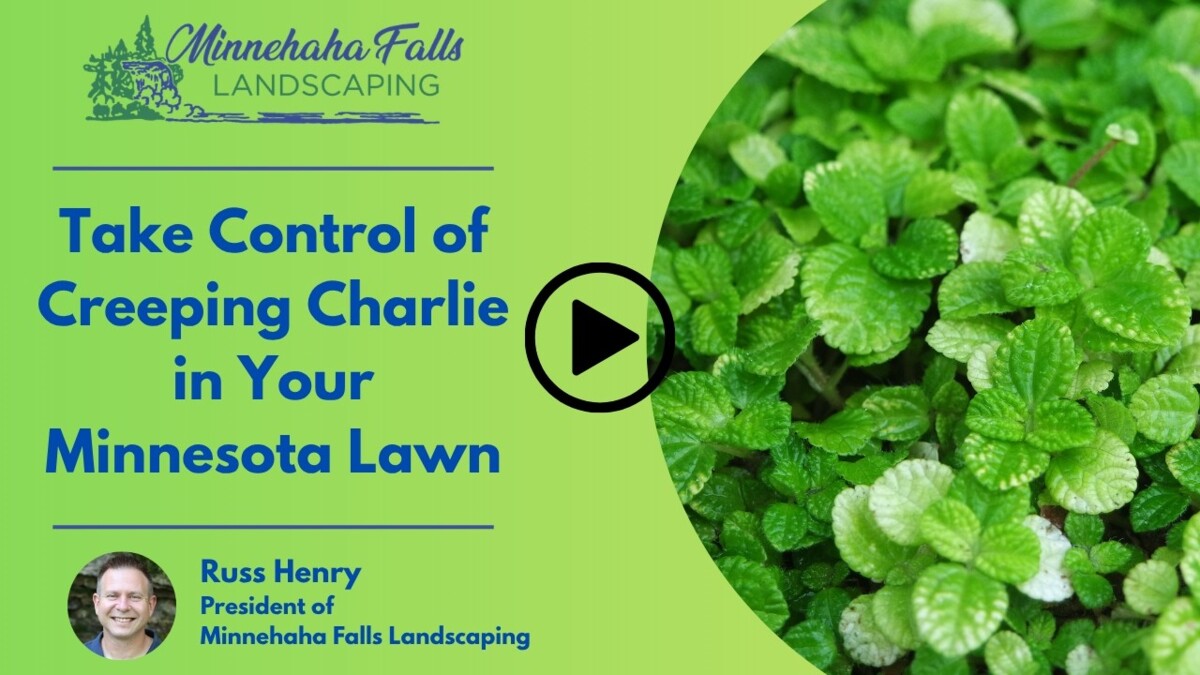
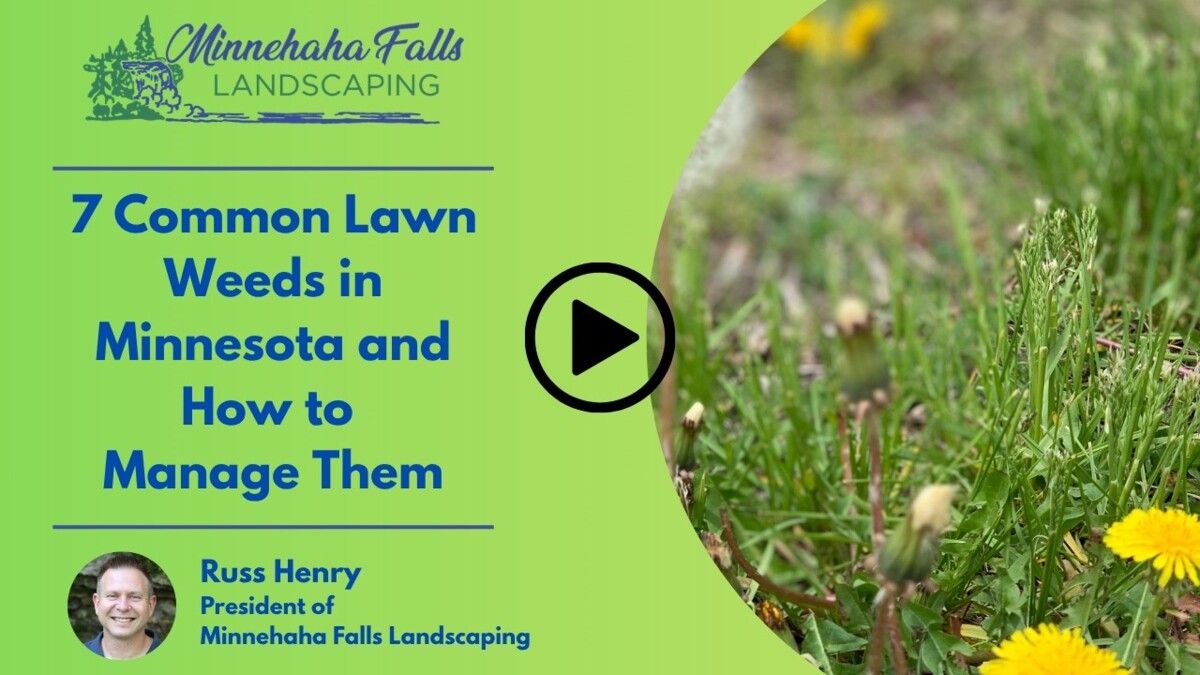
Weeds often move into lawns that already have openings. Broadleaf weeds, Creeping Charlie, clover, crabgrass, and other unwanted growth tend to show up where turf is thin, soil is exposed, or the lawn is under stress.
A thin lawn may need weed management, but weed control alone is not the whole answer. If the grass does not become denser, the same open areas may invite new weeds later.
Selective organic weed control can be part of the plan when broadleaf weeds are competing with turf. The larger goal is to reduce weed pressure while helping the grass grow thick enough to hold its own.
What Should Homeowners Do Instead of Just Fertilizing Again?
A better routine works several levers at once: raise the mowing height, keep blades sharp, feed the soil with organic fertility rather than quick synthetic color, overseed to renew aging turf, and manage broadleaf weeds while closing the gaps that let them in. Watch, too, for conditions beneath the surface, such as compaction, dry spots, shade, and heavy-traffic zones.
Before adding more fertilizer, it helps to view the lawn as a whole system. Thin turf usually points to a combination of care habits and growing conditions, which professional garden coaching services can help analyze. This kind of routine is less about forcing quick green color and more about helping the lawn build density over time. It may take more patience, but it often gives the lawn a stronger foundation.
How Does Minnehaha Falls Landscaping Approach Thin Lawns?
We start by asking what is keeping the lawn from thickening. Sometimes the issue is mowing height. Sometimes it is dull equipment, weak soil biology, weed competition, compacted soil, or a lawn that has not been overseeded regularly.
For thin lawns, we look at the habits and conditions behind the visible problem:
- How short the lawn is being mowed
- Whether the grass is being torn by dull blades
- How the soil is being fed
- Where turf is aging, thinning, or failing to renew
- Which areas need overseeding or weed management
- How the lawn fits with the surrounding garden beds, trees, and landscape use
We have worked Twin Cities turf since 1957, and the pattern rarely changes: the lawn that won’t thicken is almost never short on fertilizer. It is short on soil life, sharp blades, or steady overseeding. Our 100% organic, pesticide-free approach targets those roots of the problem, not one heavy-handed fix. When lawn edges, beds, or seasonal maintenance also affect the turf, our gardening and bed maintenance services can help keep the surrounding yard from working against the lawn.
Is Your Lawn Thin Because It Needs a Different Routine?
A thin lawn after fertilizing is not always a sign that you need more fertilizer. It may be a sign that mowing, soil health, overseeding, or weed pressure needs more attention. Contact Minnehaha Falls Landscaping if your Minneapolis lawn still looks thin after repeated fertilizing. We will help you build a plan for thicker turf, healthier soil, and better long-term habits — serving Bloomington, Eagan, Edina, Golden Valley, Minneapolis, Roseville, St. Louis Park, and St. Paul.