Brown patches can make homeowners worry fast. One week, the lawn looks normal, and the next week, a section of turf is thinning, drying out, or getting torn up by birds, raccoons, or skunks.
Grubs may be part of the problem, but they are not the only possible cause. Effective grub control depends on three things: correctly identifying the damage, treating at the right point in the pest’s life cycle, and rebuilding the lawn afterward.
What Are the First Lawn Grub Damage Signs?
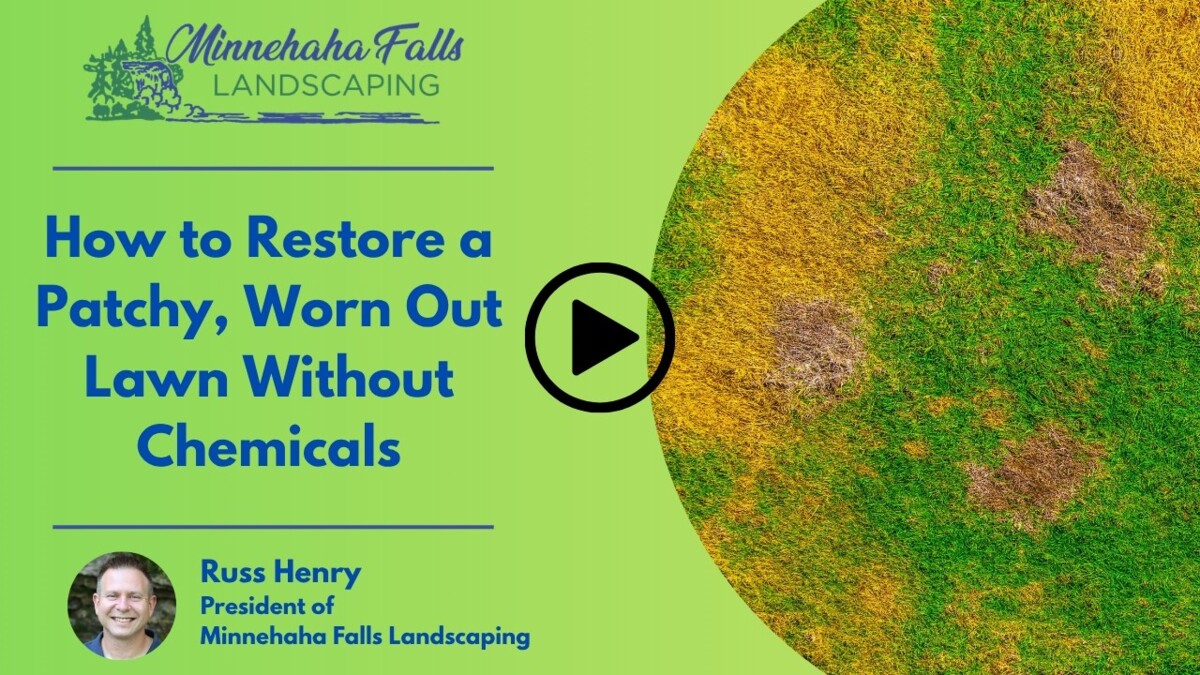
Lawn grub damage signs often include irregular brown patches, loose turf, and animal digging. These symptoms should be checked before treatment because drought stress, compaction, mowing stress, and other lawn pests can sometimes look similar.
We often see homeowners assume any brown patch is grub damage, but stressed or compacted turf looks the same at first. In an earth-friendly lawn and garden program, there is no blanket preventive spray to fall back on, so the diagnosis has to be right. Check the roots, soil, and surrounding lawn before deciding.
Common signs to watch for include:
- Irregular brown or thinning patches
- Turf that pulls back easily from the soil
- Birds, raccoons, or skunks digging in the lawn
- Grass that does not respond normally to watering
- Japanese beetle activity nearby in midsummer, since the adults lay the eggs that become grubs
Turf that lifts easily is one of the clearer signs that roots have been damaged. With the roots gone, the grass separates from the soil like a mat and can be rolled back by hand.
How Do Japanese Beetle Grubs Damage Minnesota Lawns?
University of Minnesota Extension guidance on white grubs notes that this root feeding leaves the turf unable to take up water properly and poorly anchored in the soil.
A lawn can look dry even after watering because the root system can no longer support healthy top growth. That is exactly why grub damage gets mistaken for drought stress.
Root Damage Weakens the Turf
Turfgrass depends on its roots for water, nutrients, and stability. Once grubs feed heavily on those roots, the turf thins, browns, or pulls away from the soil.
Damage is often easier to notice when stress is already present. Heat, dry weather, compacted soil, or weak turf density can make the lawn less able to tolerate root loss.
Animal Digging Can Make the Damage Worse
Animals may dig in the lawn when they are searching for grubs. This can turn a below-ground pest issue into visible surface damage quickly.
Digging can tear turf, expose soil, and create more repair work. Even after grub pressure is reduced, the lawn may still need recovery support.
When Should Homeowners Watch for Grubs?
Homeowners should pay close attention in late summer and early fall, when grub feeding and lawn symptoms can become more noticeable. Spring damage may also appear when weakened turf comes out of winter with poor root strength.
Timing matters because biological treatments only work against small, actively feeding grubs near the surface. Waiting until damage is severe makes recovery harder, especially if the lawn is already thin or compacted.
What Organic Options Can Help With Grub Control?
Natural grub control relies on beneficial nematodes, soil-building practices, and honest expectations about what each one can do. Timing and soil moisture matter as much as the product itself.
No single option is a guaranteed fix, and some widely sold organic products do not hold up in Minnesota trials. Killing grubs does not rebuild roots, for the same reason fertilizer alone does not thicken a thin lawn. Organic grub management works as part of a broader plan that supports soil biology and helps grass rebuild after root damage.
Beneficial Nematodes Need the Right Conditions
Beneficial nematodes are microscopic organisms that hunt grubs in the soil. Heterorhabditis species have proven more effective against white grubs than the Steinernema strains sold in most retail products, and both work best applied to small grubs in moist soil.
Nematodes are not an “apply and forget” product. They are living organisms, so dry, compacted, or unirrigated soil kills them before they ever reach the grubs.
Why Does Soil Health Matter for Natural Grub Control?
Soil health matters because biological treatments and turf recovery both depend on the environment under the grass. Moisture, compaction, organic matter, and soil biology all affect how a lawn responds after grub pressure. It is the same principle behind feeding the soil, not just the grass.
Aeration opens compacted areas so air, water, and biological activity move through the root zone. A healthier root environment does not make a lawn immune to pests, but it gives turf more to recover with.
What happens after the Grub Pressure is Addressed?
A grub-damaged lawn still needs recovery work after the pest issue is managed. Root feeding can leave turf thin, loose, or uneven, and those open spaces may invite weeds if the lawn is not rebuilt.
Recovery usually means overseeding, organic fertility, aeration, watering support, and monitoring. If broadleaf weeds move into weakened turf, selective broadleaf management becomes part of the plan. Homeowners who want to run that recovery themselves can work through it with garden coaching.
How Does Minnehaha Falls Landscaping Approach Lawn Pests?
We do not start with the assumption that every brown patch needs the same treatment. The first step is understanding whether the lawn is showing signs of grubs, stress, compaction, weak turf, or another issue.
We look for:
- Whether turf damage points to grubs or another cause
- Where roots have been weakened
- Whether soil moisture supports biological treatment
- How compaction may affect turf recovery
- What the lawn needs after pest pressure is reduced
Minnehaha Falls Landscaping ties natural grub control to turf recovery, soil support, and seasonal lawn care decisions. Beds and edges affect the lawn too, so planting-bed care keeps surrounding areas from feeding stress back into the turf. Homeowners new to all of this can start with our gardening tips for beginners.
Brown Patches, Loose Turf, or Something Else?
A brown patch does not always mean grubs, but it should not be ignored if the turf is loose, animals are digging, or the lawn is not responding normally. The next step is to find out what is happening under the grass before choosing a treatment.
Minnehaha Falls Landscaping has served the Twin Cities since 1957 and works 100% organic and pesticide-free across Bloomington, Eagan, Edina, Golden Valley, Minneapolis, Roseville, St. Louis Park, and St. Paul. Contact Minnehaha Falls Landscaping if you need grub control, a lawn pest evaluation, or seasonal turf recovery, and we’ll identify what’s actually happening under the grass and build a plan around it.