A worn-out lawn can leave homeowners asking the same question: Should we keep rebuilding what is there, or start fresh with sod? The answer depends on more than how quickly the yard needs to look green. Lawn restoration vs. sod is really a comparison between rebuilding the lawn system and replacing the lawn surface. Both can be useful, but neither works well when the soil, weed pressure, water access, and aftercare are ignored.
Lawn Restoration vs. Sod: What Is the Main Difference?
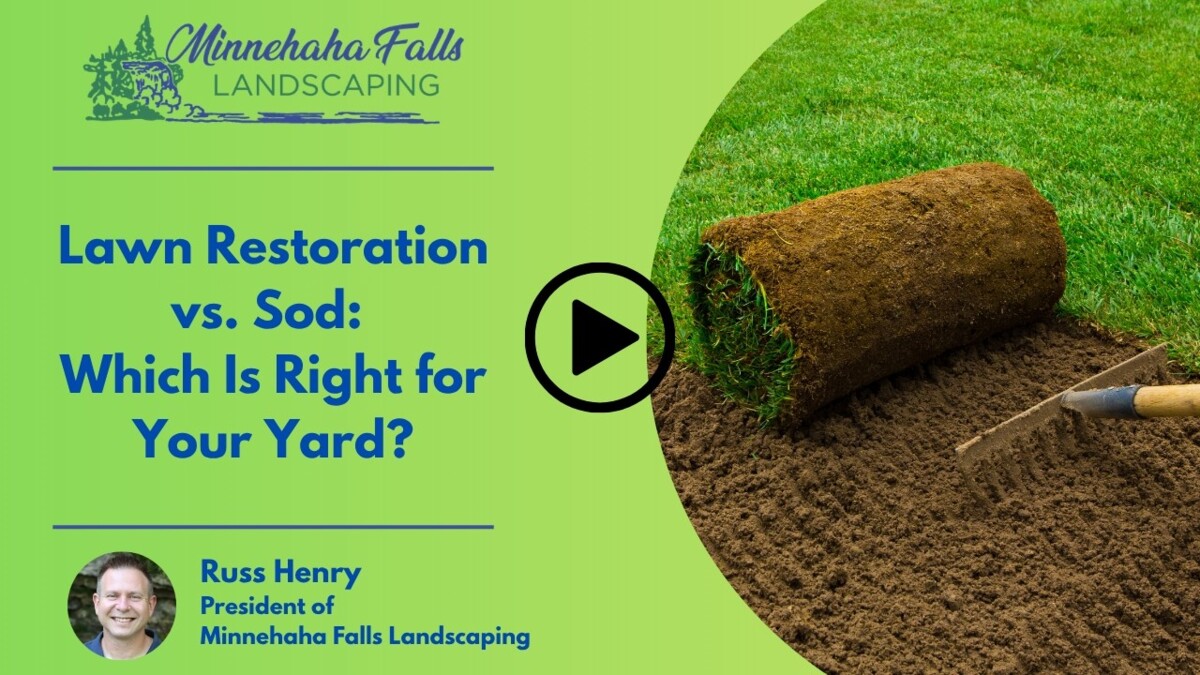
Lawn restoration improves the existing lawn by rebuilding turf density, soil function, and root support. It may include aeration, overseeding, organic fertility, weed reduction, and maintenance changes that help grass compete over time.
Sod replaces the visible surface with new turf. It can create faster coverage, but it still depends on good soil preparation, watering, and follow-up care.
What Does Lawn Restoration Actually Do?
Restoration focuses on improving the lawn that is already there or rebuilding it through seed-based recovery. The goal is to strengthen the conditions that allow grass to grow thicker, root better, and become more resilient over time.
It Builds From Existing Turf
Some lawns still have enough healthy grass to improve. In those cases, restoration can thicken thin areas, fill bare spots, and reduce openings where weeds move in. Instead of replacing everything, the plan works with what remains and improves it season by season.
It Improves the Soil Under the Lawn
Weak turf often points to weak growing conditions. Compaction, low organic matter, shallow roots, or poor soil structure can limit how well grass recovers, even when seed or fertilizer is added.
A restoration plan may include aeration, compost-based support, organic fertility, and root-zone preparation so the lawn has a stronger base. Soil work matters because both seed and sod rely on what is happening below the surface.
It Can Be Gradual or More Intensive
Restoration does not always mean one level of work. Some lawns improve through a moderate plan over multiple seasons, while others need faster renovation when turf is too thin to build from slowly.
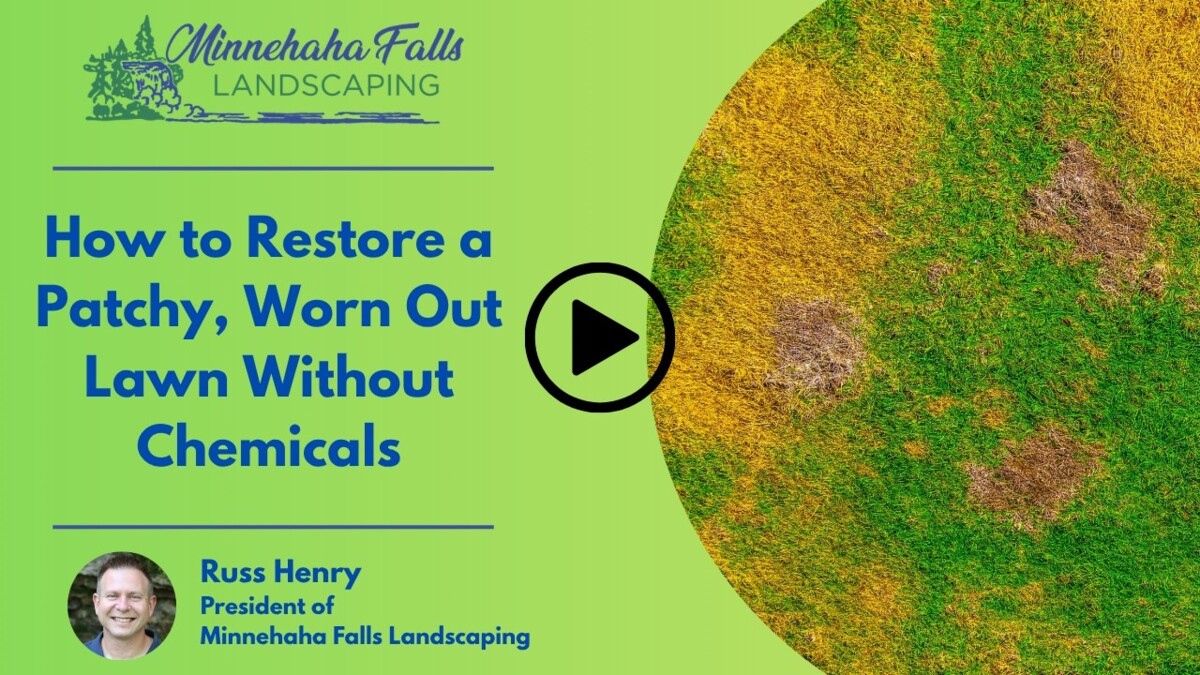
Homeowners often compare sod and restoration because they want a faster answer to a lawn that has been declining for years. The deciding question is whether enough live grass remains to build on, and there are ways to restore a patchy lawn without chemicals when it does.
What Does Sod Solve Quickly, and What Does It Not Solve?
Sod can be useful when homeowners need fast coverage, especially after construction, grading, or major bare-soil disruption. It can make a yard look finished sooner than seed-based restoration, but it is not a shortcut around preparation.
It Gives Faster Green Coverage
Sod provides an immediate layer of turf, which can be helpful where mud, erosion, or bare soil is a concern. It may also fit situations where homeowners want a usable-looking lawn sooner.
Fast coverage does not mean the lawn is fully established the moment sod is laid. New sod still needs time to root into the soil beneath it.
It Still Needs a Healthy Base
A lawn with compacted soil, heavy weeds, or poor drainage may struggle even after sod if the base conditions are not addressed. Surface replacement cannot fix every underlying problem by itself.
Soil preparation, grading, weed reduction, and organic matter support may still be needed. Feeding the soil instead of just the grass is what keeps new turf improving rather than coasting on whatever came with the sod.
It Requires Care After Installation
Sod needs careful watering and protection from heavy stress while roots establish. University of Minnesota Extension’s guidance on seeding and sodding home lawns is to keep the sod moist but not saturated until it roots, then use a tug test at 10 to 14 days before treating it as established. Mowing, traffic, and maintenance timing also matter during that early period.
A homeowner choosing sod should be ready for follow-up care. The new turf has a head start visually, but it still needs support to become a healthy lawn.
When Is Restoration the Better Fit?
Restoration may be the better fit when the lawn still has grass worth saving, and the homeowner wants to improve the system, not just replace the surface. It can also fit homeowners who prefer an organic-first approach and are comfortable with progress over time. How that work is spread across seasons also affects organic lawn restoration cost in Minneapolis.
Restoration often makes sense when:
- Enough healthy grass remains to build from
- Thin turf and soil weakness are the main problems
- The homeowner can be patient with visible improvement
- Budget is better spread across seasons
- Weed pressure can be reduced before overseeding
- Organic soil and turf support are priorities
This approach can be practical for yards that are tired but not beyond repair. Our organic lawn care service rebuilds weak lawns without automatically starting over, at whatever pace the remaining turf will support.
When Might Sod Make More Sense?
Sod may deserve consideration when the yard needs fast coverage or when bare soil is creating immediate problems. Construction damage, grading work, erosion, mud, and severe turf loss can all make homeowners look at sod as a faster option.
Sod may make more sense when:
- Immediate coverage is important
- The lawn is heavily damaged or mostly bare
- Construction or grading left exposed soil
- Mud or erosion is becoming a problem
- The homeowner is ready for watering and establishment care
- The area has been properly prepared before installation
There is a rough line between the two. Extension’s lawn renovation threshold is about 30 to 50 percent of the lawn dead, very sparse, or weed-covered, and mid-August to mid-September is the preferred window for that work in Minnesota. Below that level of damage, there is usually enough turf left to build on.
Should Some Areas Become Something Other Than Grass?
Some yards keep failing because grass is being forced into the wrong place. Deep shade, heavy traffic, steep slopes, poor drainage, or difficult edges can make either restoration or sod less satisfying over time.
In those cases, a different ground cover may be more practical. A bee lawn can suit lower-use areas, while beds, paths, or other designed spaces reduce the pressure to keep grass alive everywhere.
How Does Minnehaha Falls Landscaping Help Compare the Options?
As a 100% organic, pesticide-free lawn care company, we start by looking at what the yard is asking for, not just which option sounds fastest. A lawn that needs soil rebuilding deserves a different plan than an area that needs immediate coverage after construction.
Before recommending a direction, we look at:
- Existing turf density
- Soil condition and compaction
- Weed pressure
- Shade and water access
- How soon the homeowner wants usable coverage
- Whether every area should remain grass
We walk homeowners through restoration, sod, and lawn alternatives against the yard in front of us, and garden coaching is an option for anyone who wants to work through the decision on site before committing to a plan. The best option fits the yard’s condition, the homeowner’s timeline, and the level of follow-up care the lawn will realistically get.
Pick the Lawn Fix That Solves the Real Problem
A new green surface can be appealing, but the right lawn fix should solve the problem beneath the grass, too. Restoration, sod, rapid renovation, or a lawn alternative may all have a place depending on the yard.
The comparison that matters most is not restoration vs. sod. It is fast coverage vs. lasting recovery, and which one your lawn actually needs. We have spent decades walking Minneapolis homeowners through that question with an organic, pesticide-free approach that starts with what the soil, turf, and site can support. Contact Minnehaha Falls Landscaping and we will weigh restoration, sod, and lawn alternatives against what will hold up over the next several seasons.